
Trump Aims To "Make IPOs Great Again" — Here's How To Play ItMatthew Milner 
A few decades ago, going public was the American dream. Visionary founders like Bill Gates built great companies, rang the bell on Wall Street, got rich — and then handed everyday investors a shot at owning the next big thing. 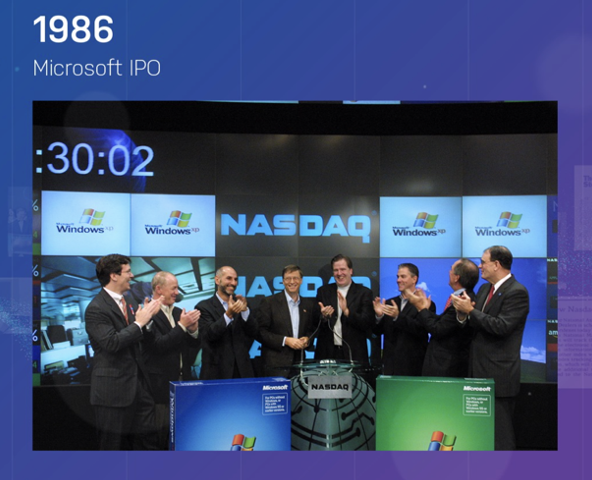
But lately, going public has gone from being the dream to being the punchline. And that's got Washington, and Trump, worried. According to the World Bank, the number of U.S. public companies has fallen by half since the 1990s — from more than 8,000 listings to barely 4,000 today. Even with the stock market soaring, founders are skipping the IPO route altogether. For example, look at Edwin Chen, the founder of Surge AI. His startup reportedly does a billion dollars in annual revenue, yet he says he has zero interest in going public. What happened? Why the IPO Pipeline Dried UpOnce upon a time, IPOs were the ultimate graduation ceremony for entrepreneurs. But over the years, regulations piled up like snowdrifts. Quarterly reporting. Shareholder lawsuits. Endless disclosure requirements. According to Paul Atkins, the current SEC Chairman and a Trump appointee, that's a big part of the problem. "Disclosure isn't meant to be torture," he said recently. "It's meant to provide material information so investors know what they're investing in." Atkins believes excessive red tape has turned the IPO process into a bureaucratic nightmare. That's why he's vowed to "make IPOs great again." His Plan: Deregulate, Deregulate, DeregulateAtkins' strategy centers on three main ideas: - Cut down on required reports and disclosures. The SEC is exploring an end to quarterly reports, arguing that fewer filings could reduce cost and stress for public companies. Critics, however, say it would reduce transparency for investors.
- Limit shareholder proposals. Companies would be able to ignore proposals that touch on "environmental or social issues."
- Reduce shareholder lawsuits. The SEC will now allow companies to force shareholder disputes into arbitration. That means those cases will stay behind closed doors.
In short, Atkins wants to make it cheaper and easier to be a public company. The question is, will that actually lead to more IPOs? Skip The IPO — Still Get The CapitalThe answer isn't clear. In the past, companies had to go public. They needed capital, and the stock market was the only place they could tap into a big pot of it. But nowadays, companies can get all the capital they need in the private markets. That's why there are currently 1,276 "unicorns" — private companies worth more than $1 billion. In the year 2000, there were just 10 of them! 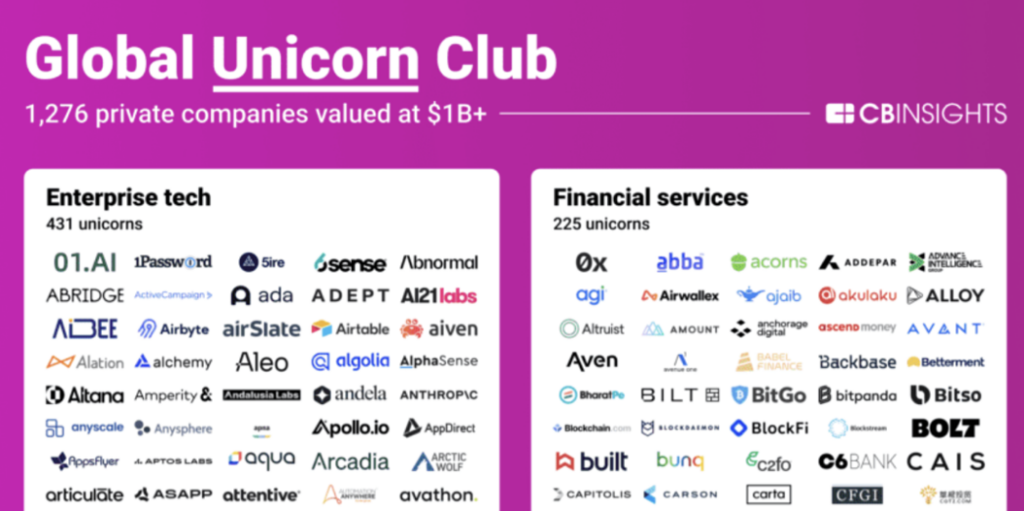
By the time everyday investors finally get a chance to buy shares in the stock market, the biggest gains have already been made by private investors. The M&A ProblemThere's also another reason IPOs are scarce today: acquisitions. A recent Dartmouth study found that M&A activity is a major factor contributing to the decline in public listings. Simply put, it's faster and easier for founders to sell their startup to a big company than to slog through months of SEC filings and roadshows. Some experts believe that if the IPO process were as fast and efficient as the acquisition process, more founders would take the public route. So, Can IPOs Be Great Again?Atkins hopes his reforms will turn the tide. And maybe they will. So far this year, 180 companies have gone public, up from 150 last year. Even OpenAI, the company behind ChatGPT, is reportedly prepping an IPO that could value the company at $1 trillion. Still, the overall trend is clear. Companies are staying private longer and longer, and fewer companies are choosing to IPO. As David Solomon, the CEO of leading investment bank Goldman Sachs said recently, "It's not fun being a public company. Who would want to be a public company?" 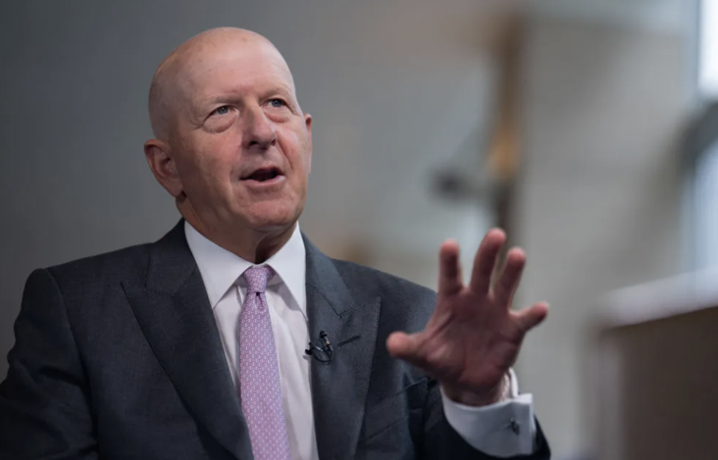
This is crazy. Goldman Sachs' bread and butter is taking companies public — and here he is, throwing IPOs under the bus. The Good News for Everyday InvestorsHere's the twist — and the good news for readers like you: Even if Trump's and Atkins' plans fail, even if IPOs never become great again, you can still reap the financial benefits of investing in the fastest-growing private companies. Thanks to recent law changes, everyday investors can now access early-stage private companies — the ones that used to be off-limits to everyone but venture capitalists and the ultra-wealthy. At Crowdability, we track these opportunities every week — from early-stage startups to later-stage "unicorns" like OpenAI and SpaceX that will likely go public before long. If Atkins succeeds in reviving the IPO market, great — you'll own low-priced private shares that might hit the stock exchanges and hopefully you'll make a windfall. But if not? You'll still be way ahead of the curve, investing in the future before Main Street investors ever get a shot. The TakeawayTrump may want to "make IPOs great again." But for savvy investors, the real opportunity lies in what comes before the IPO — the private markets where tomorrow's biggest winners are already soaring. So don't wait for the bell to ring at the NYSE. Start exploring the private deals available to you right now — the ones your friends on Main Street still don't even know exist. Want to see which private deals we're tracking this week? Click here to check them out » Happy Investing Best Regards,

Matthew Milner
Founder
Crowdability.com | 




Post a Comment
Post a Comment